
Pachmarhi in Monsoon: What to Expect

Most hill stations look good in the rain. Pachmarhi looks unreal. From July to September, the Satpura hills turn bright green, streams appear on every slope, and waterfalls that were a trickle in May come roaring back to life. Clouds roll through the valleys, sometimes so low that you walk straight through them.
If you love nature, greenery and the sound of rain on a tin roof, Pachmarhi in the monsoon may be your favourite trip of the year. But it also comes with a few challenges. Here's an honest guide to help you decide.
What Is the Weather Like?
The monsoon usually reaches Pachmarhi in late June and lasts until about mid-September. July and August get the heaviest rain. Temperatures stay pleasant, roughly 18°C to 28°C, and the air feels fresh and cool.
Rain doesn't fall all day, every day. Often there are heavy showers followed by clear spells, with mist rolling in and out. That changing light is part of what makes the monsoon so beautiful.
Why Visit Pachmarhi in the Monsoon?
Waterfalls at their best
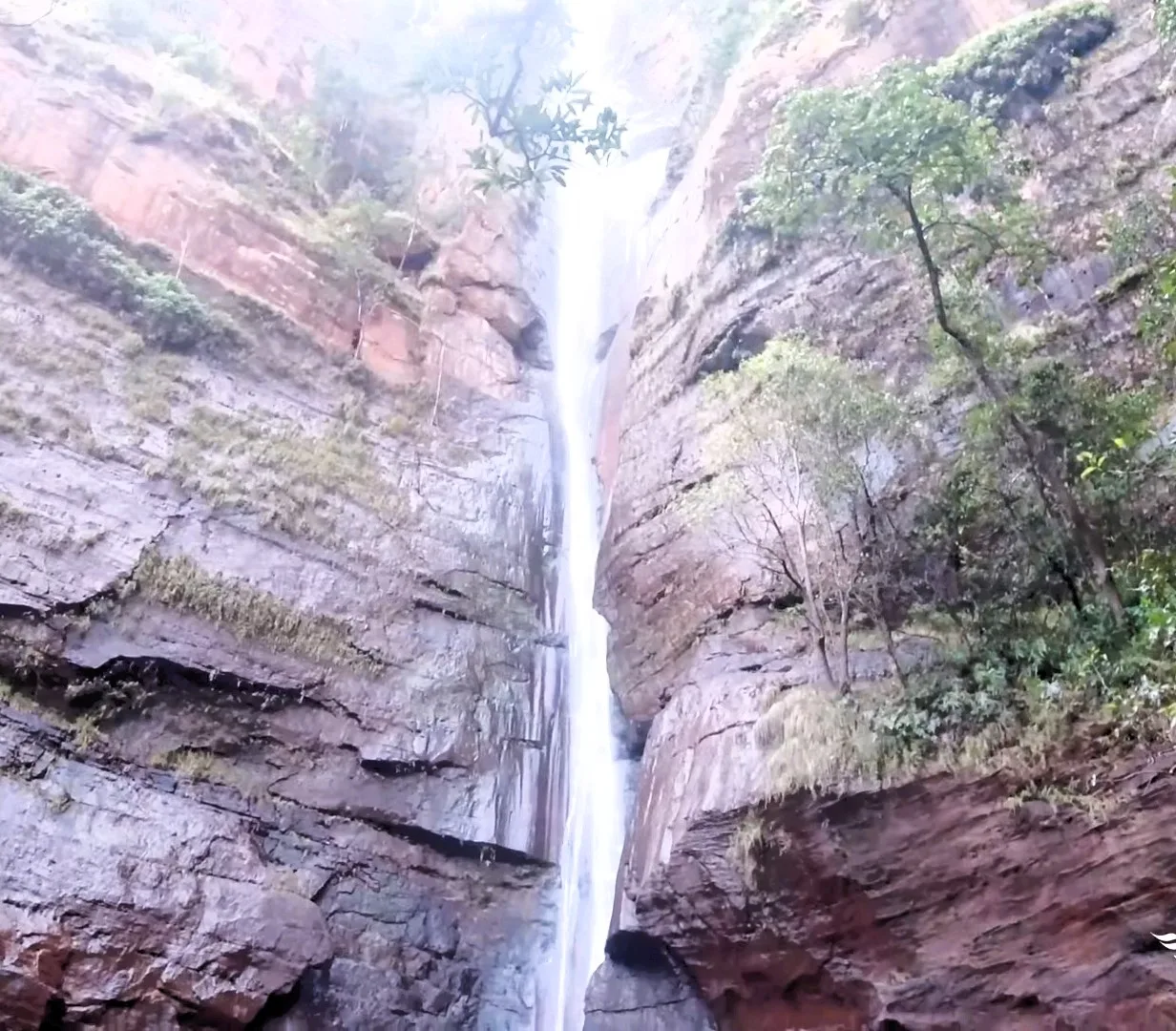
This is the biggest reason. Bee Falls becomes a thundering curtain of water. Rajat Prapat, the tallest fall in Pachmarhi, shines in full flow. Small seasonal falls you'd never notice in summer appear all over the hills. See our Pachmarhi waterfalls guide.
Unbelievable greenery
The sal forests, valleys and grasslands turn every shade of green. Viewpoints like Handi Khoh and Green Valley look completely different from how they do in the dry months.
Clouds and mist
At Dhupgarh and Priyadarshini Point, you may find yourself above the clouds, watching them drift through the valleys below. On clear evenings, monsoon sunsets can be spectacular.
Fewer crowds (mostly)
Apart from long weekends and festival days, the monsoon is quieter than peak summer or winter. Hotels may also offer better rates.
The Nagdwari Yatra
Every monsoon, around Nag Panchami, thousands of pilgrims make the Nagdwari Yatra, a tough trek through the forest to the Nagdwari cave. The route is usually open only during the yatra period, which makes it a rare experience. Expect huge crowds and very busy hotels during these days.
What to Keep in Mind
- Some routes may close. After heavy rain, forest authorities may close or restrict certain trails and Gypsy routes for safety. Spots like Duchess Falls can become risky.
- Satpura safaris are closed. Jungle safaris in Satpura Tiger Reserve usually stay closed from July to September.
- Slippery paths. Steps and rocks at waterfalls, caves and the Chauragarh trek become very slippery.
- Views can disappear. Thick mist can hide viewpoints completely. Keep your plan flexible.
- Leeches and insects. Common on forest trails. Wear socks and carry salt or repellent.
- Rising streams. Water levels can rise quickly after a downpour. Never cross a fast-flowing stream.
Best Places to Visit in the Monsoon
- Bee Falls: Powerful and dramatic. Watch from a safe spot rather than standing underneath.
- Rajat Prapat viewpoint: The tallest fall at its most impressive.
- Apsara Vihar: Lovely to look at, but swim only if guides say it's safe.
- Jata Shankar: The gorge and stream are at their most atmospheric.
- Handi Khoh and Green Valley: Deep green views when the mist clears.
- Pandav Caves: Fresh and green around the caves and garden.
- Pachmarhi Lake: A peaceful spot on a misty evening.
Is the Chauragarh Trek Safe in the Monsoon?
It's possible, but harder. The steps get slippery and the climb takes longer. If you want to do it, go early, wear shoes with a good grip, use the railings and skip it during heavy rain. Families with small children and senior citizens may prefer to skip it in this season.
Monsoon Packing List
- Raincoat or poncho (better than an umbrella on trails)
- Shoes with strong grip, plus a pair of quick-dry sandals
- Extra socks and quick-dry clothes
- Waterproof bag or pouch for your phone and documents
- Light jacket for cool evenings
- Insect repellent and a small first-aid kit
- Torch or power bank, as power cuts can happen
- Plastic bags for wet clothes
Safety Tips
- Follow local advice. If a guide or forest official says a spot is closed, don't go.
- Don't swim in strong currents. Even shallow-looking water can be dangerous in the monsoon.
- Stay away from cliff edges for selfies, especially when rocks are wet.
- Drive carefully on the ghat road. Visibility can drop suddenly in mist.
- Keep a buffer day in your plan in case rain stops a day of sightseeing.
- Check the weather forecast a few days before you travel.
Is Pachmarhi Worth Visiting in the Monsoon?
Yes, if you: love waterfalls, greenery and misty weather, are comfortable with a flexible plan, and want a quieter, more peaceful trip.
Maybe not, if you: want to do every trek and viewpoint, are planning a Satpura jungle safari, or are travelling with very small children or elderly family members who need easy paths. In that case, see the best time to visit Pachmarhi.
Suggested Monsoon Itinerary (3 Nights, 4 Days)
- Day 1: Arrive via Pipariya, check in, and spend a relaxed evening by Pachmarhi Lake.
- Day 2: Gypsy tour of Bee Falls, Pandav Caves, the museum and viewpoints, keeping the plan flexible around the weather.
- Day 3: Jata Shankar, Bada Mahadev and Gupt Mahadev. Try Chauragarh only if the weather is clear.
- Day 4: Handi Khoh, Priyadarshini Point and Green Valley, then drive down to Pipariya.
Frequently Asked Questions
Is Pachmarhi open during the monsoon?
Yes. The town and most sightseeing spots stay open, though some trails may close after heavy rain.
Which is the best month for the monsoon in Pachmarhi?
August is the greenest, with full waterfalls. Late September is a good balance of water and fewer rain days.
Is it safe to visit Pachmarhi in the rain?
Yes, if you follow local advice, avoid closed routes and take care on slippery paths.
Can I do a jungle safari in the monsoon?
Usually not. Satpura Tiger Reserve safaris stay closed from July to September.
Planning a monsoon getaway? Our Pachmarhi packages include hotel, breakfast, Pipariya pickup and drop, and private Gypsy sightseeing.