
Pachmarhi Waterfalls: 7 Best Falls to Visit
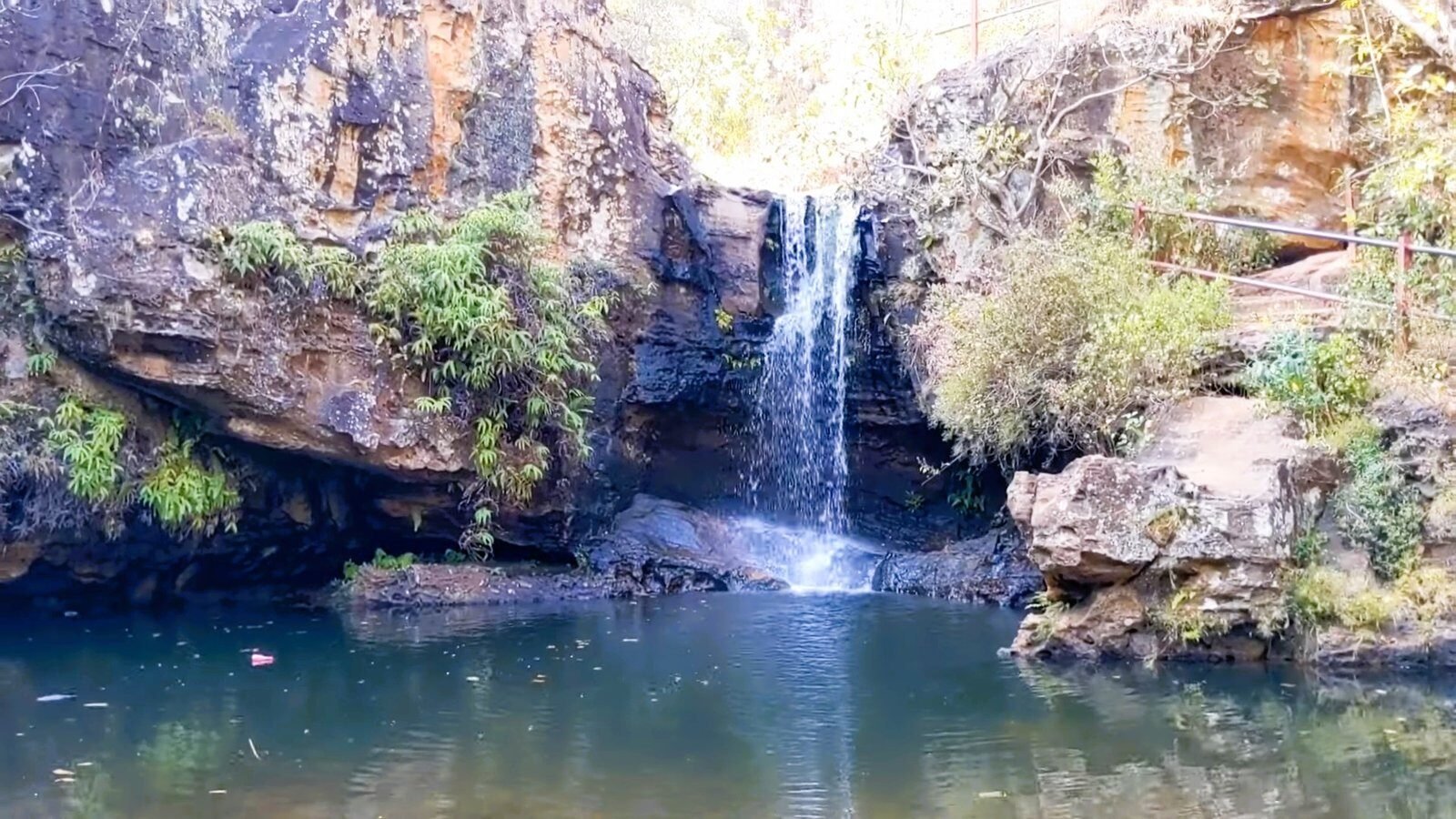
Ask anyone who has been to Pachmarhi what they remember most, and the answer is usually the waterfalls. The Satpura hills are full of streams that drop over sandstone cliffs into cool, clear pools. Some are a short walk from the road. Others take a proper trek through the forest. All of them are worth seeing.
Here's a guide to the best Pachmarhi waterfalls, what makes each one special, and how to plan your visit.
1. Bee Falls (Jamuna Prapat)
Best for: Everyone, especially families. Walk: Short, with steps down to the base.
Bee Falls is the most famous waterfall in Pachmarhi, and also the easiest to reach. The water comes down in a fine, fast spray that makes a humming sound, a bit like a swarm of bees. That's how it got its name.
A paved path with steps leads down to the base of the falls. You can stand right under the water, which feels wonderful on a warm day. Bee Falls also supplies drinking water to Pachmarhi town, so please don't use soap or leave any rubbish behind.
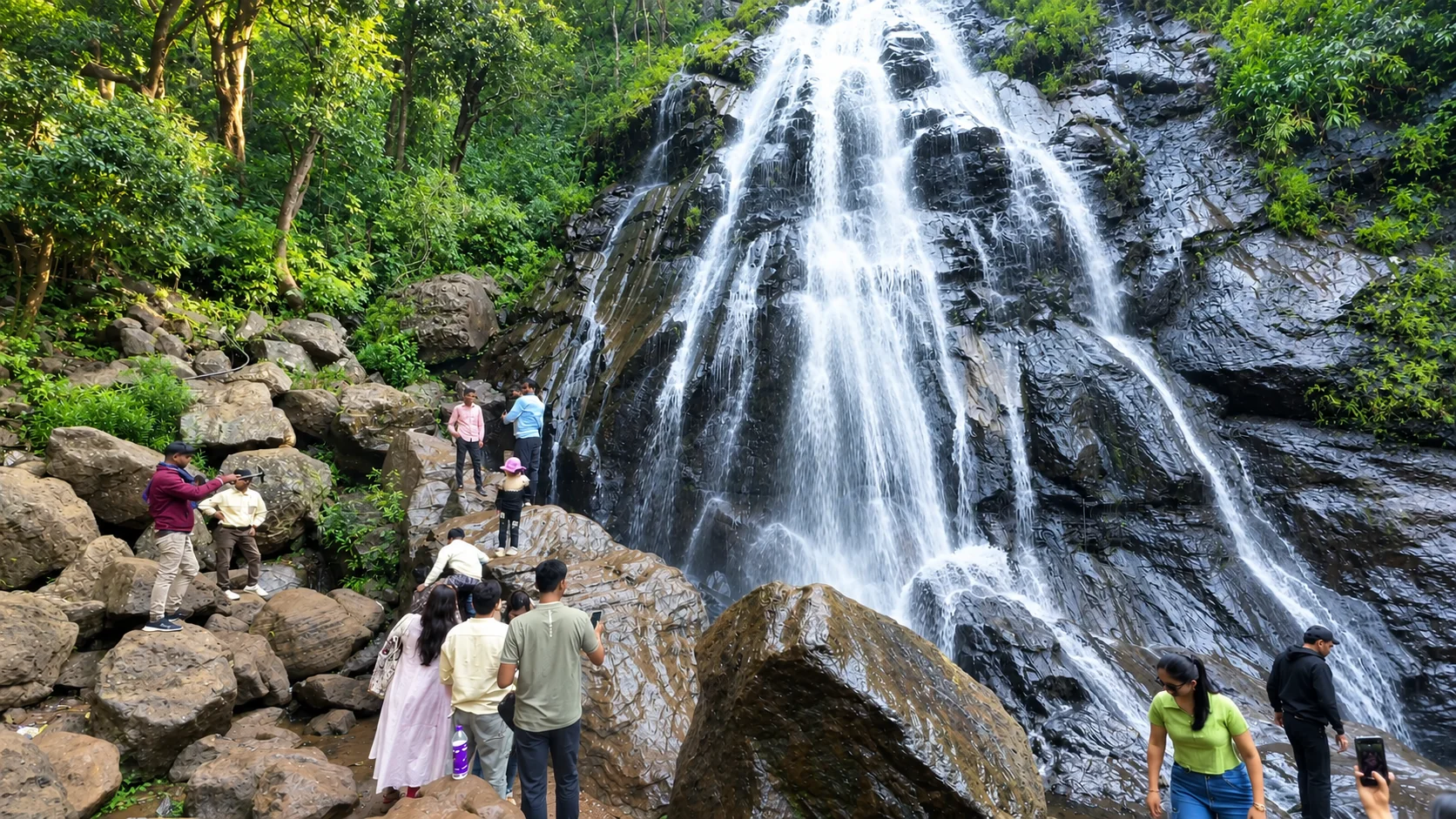
Tip: It gets crowded after 10 am. Go early for a calmer visit and better photos.
2. Rajat Prapat (Big Fall)
Best for: Views and photography. Walk: Moderate trail through forest.
Rajat Prapat is the tallest waterfall in Pachmarhi, dropping more than 100 metres down a sheer cliff. "Rajat" means silver, and on a sunny day the falling water really does shine like a silver ribbon against the dark rock.
You usually see it from a viewpoint across the gorge rather than from the bottom. The trail to the viewpoint passes through thick forest and is often combined with a visit to Apsara Vihar, which is nearby.
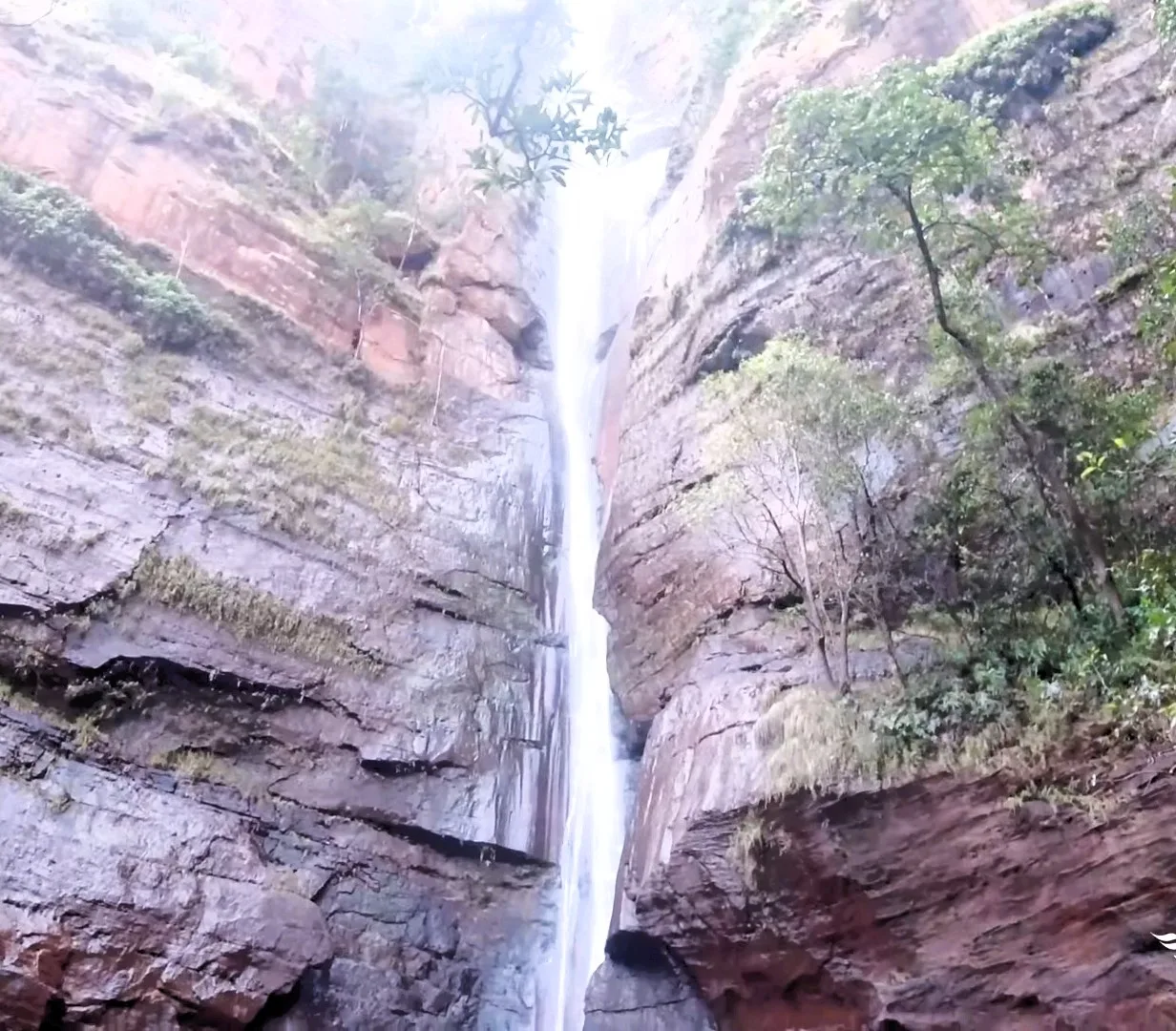
Tip: Rajat Prapat is at its most impressive from August to October. In peak summer the flow becomes much thinner.
3. Apsara Vihar (Fairy Pool)
Best for: Families with children, swimming. Walk: Easy to moderate.
Apsara Vihar is a small, gentle waterfall that drops into a wide, shallow pool. It's one of the safest places in Pachmarhi to get into the water, which is why families love it. According to local legend, fairies (apsaras) used to come here to bathe.
Tip: Rocks near the water can be slippery. Wear sandals with a good grip.
4. Duchess Falls
Best for: Adventure lovers and trekkers. Walk: Steep and challenging.
Duchess Falls is for people who don't mind a bit of effort. The trail is steep, rocky and narrow in places, and the last part is a tough climb down. At the end you'll find a beautiful waterfall that drops in three tiers, surrounded by forest and usually very quiet.
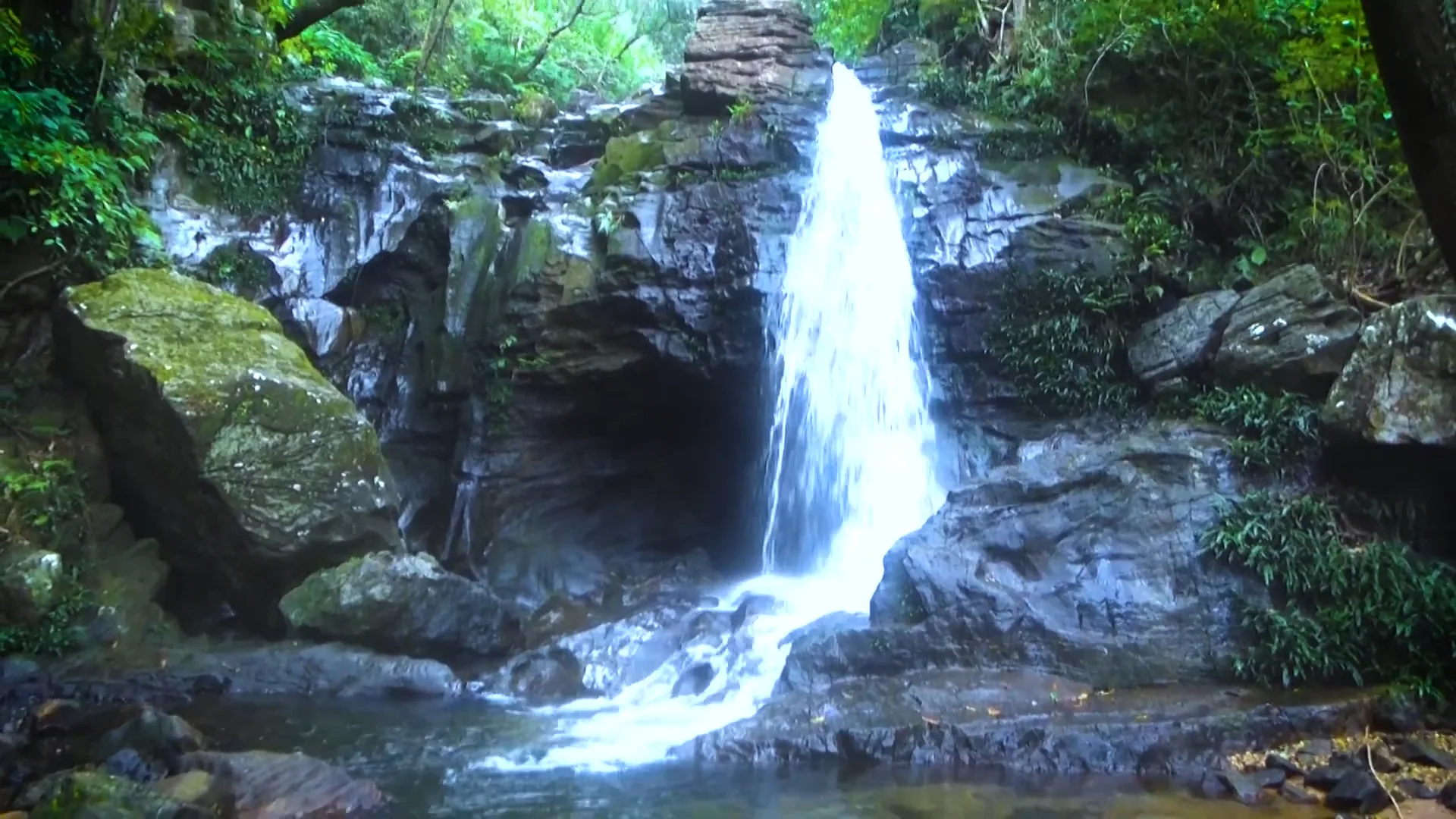
Tip: Go with a local guide, carry water and avoid this trail right after heavy rain.
5. Waters Meet
Best for: Picnics and relaxing. Walk: Easy to moderate.
Waters Meet is exactly what the name says: a spot where two streams join. The water is clear and calm, with rocky banks and shady trees around it. It's a nice place to slow down after busier spots.
Tip: The water can be deeper than it looks. Stay near the edges and follow local guidance.
6. Sundar Kund (Irene Pool)
Best for: A quiet dip. Walk: Forest trail.
Sundar Kund, also known as Irene Pool, is a natural pool formed by a stream as it flows over rocks. It's surrounded by forest and is usually much quieter than the main waterfalls.
7. Jata Shankar Stream
Best for: Temple visit plus nature. Walk: Steps down into a gorge.
Jata Shankar isn't a waterfall in the usual sense, but it's one of the most beautiful water spots in Pachmarhi. A cool stream runs through a deep, narrow gorge, past a natural cave with a Shivling. Huge overhanging rocks and the constant sound of water make it feel almost magical, even in summer.
When Is the Best Time to See Pachmarhi Waterfalls?
| Months | What to Expect |
|---|---|
| July – September | Waterfalls at full power. Very green, but trails can be slippery and some routes may be closed. |
| October – November | The best balance: strong water flow, clear skies and comfortable weather. |
| December – February | Moderate flow, cool weather, great for walking. |
| March – June | Lower flow, but the pools are perfect for cooling off in the heat. |
For a season-by-season plan, read the best time to visit Pachmarhi and our guide to Pachmarhi in monsoon.
Safety Tips for Visiting Waterfalls
- Wear proper footwear. Wet rocks are extremely slippery. Sports sandals or shoes with good grip are best.
- Don't climb on the falls. Every year, accidents happen when people climb wet rocks for photos.
- Check water depth before you get in, and keep children close.
- Avoid trails after heavy rain. Streams can rise quickly during the monsoon.
- Carry a change of clothes and a small towel if you plan to get wet.
- Leave no trace. Carry your rubbish back with you.
How to Visit the Waterfalls
Most of Pachmarhi's waterfalls are inside forest areas, so you visit them in a registered Gypsy. A full-day Gypsy tour usually covers Bee Falls, Apsara Vihar and the Rajat Prapat viewpoint, along with nearby caves and viewpoints. For harder treks like Duchess Falls, plan an extra half day and take a guide.
Frequently Asked Questions
Which is the most famous waterfall in Pachmarhi?
Bee Falls (Jamuna Prapat) is the most famous and the easiest to visit.
Which is the tallest waterfall in Pachmarhi?
Rajat Prapat, also called Big Fall or Silver Fall, is the tallest at over 100 metres.
Can I swim at Pachmarhi waterfalls?
Yes, at spots like Bee Falls, Apsara Vihar and Sundar Kund. Always check the depth and follow local guidance.
Are the waterfalls open during the monsoon?
Most are, but some trails may be closed or restricted after heavy rain for safety.
See the falls with a local driver: Our Pachmarhi packages include private Gypsy sightseeing with entry fees, permit and guide for the main waterfall tour.