
Simhastha Kumbh Mela in Ujjain
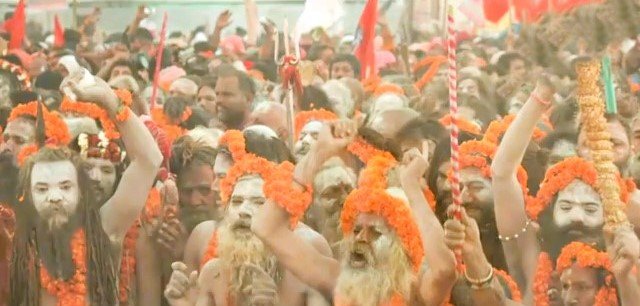
Table of Contents
Kumbh Mela Complete Travel Guide
The Ujjain Simhastha Kumbh Mela is one of the world’s largest religious fairs. Once every 12 years, millions of devotees, sadhus, and saints come together in the holy city of Ujjain in Madhya Pradesh.
If you want to know everything about this mega-fair, then this guide is for you. For hassle-free accommodation during the rush, a Ujjain Tour Package pre-books stays and transportation.
Quick Information:-
Detail | Information |
Event Name | Simhastha Kumbh Mela |
Location | Ujjain, Madhya Pradesh |
Held Every | 12 Years |
River | Shipra River |
Last Simhastha | 2016 |
Next Simhastha | 2028 ( 27 March to 27 May ) |
Main Attraction | Shahi Snan |
Famous Temple | Mahakaleshwar Jyotirlinga |
About Simhastha Kumbh Mela
Simhastha Kumbh Mela is a sacred Hindu festival celebrated on the banks of the Shipra River in Ujjain. The Kumbh Mela takes place at four different locations in India: Prayagraj, Haridwar, Nashik, and Ujjain. The Kumbh held in Ujjain is known as ‘Simhastha’ because it is associated with a specific astrological alignment ( grahon ki dasha).
Why is Simhastha Celebrated in Ujjain?
Ujjain, also known as Avantika, is one of India’s oldest and most sacred cities. Mahakaleshwar—one of the 12 Jyotirlingas of Lord Shiva—is located here. This adds even greater significance to the celebration of the Kumbh Mela in Ujjain; it is believed that during this time, true nectar rains (amrit varsha) down upon the land.
History of Simhastha Kumbh Mela
Origin of Kumbh Mela
The history of the Kumbh Mela dates back thousands of years. It is mentioned in our Puranas and Vedas. ‘Kumbh’ means a pot, and ‘Mela’ means a gathering.
The Legend of Samudra Manthan
According to Hindu mythology, the Samudra Manthan was performed by the Devtas (gods) and the Asuras (demons) to obtain Amrit, the nectar of immortality. After the nectar appeared, a fight broke out between them for its possession. The battle lasted for twelve days. During this struggle, a few drops of the nectar fell on Earth at four places: Prayagraj, Haridwar, Nashik, and Ujjain. These places became sacred, and since then, the Kumbh Mela has been celebrated there.
Historical Importance of Simhastha in Ujjain
Historically, Ujjain has always been a major centre for education, science, and religion. This fair held great significance even during the reign of King Vikramaditya. To this day, it continues to draw people from both within the country and abroad to Ujjain.
Religious Significance of Simhastha Kumbh Mela
Importance of the Shipra River
The Shipra River is known as the lifeline of Ujjain. According to the Puranas, the Shipra River originated from the body of Lord Vishnu. During the Simhastha, the water of this river becomes as sacred as ‘amrit’(nectar).
Spiritual Benefits of Taking a Holy Dip
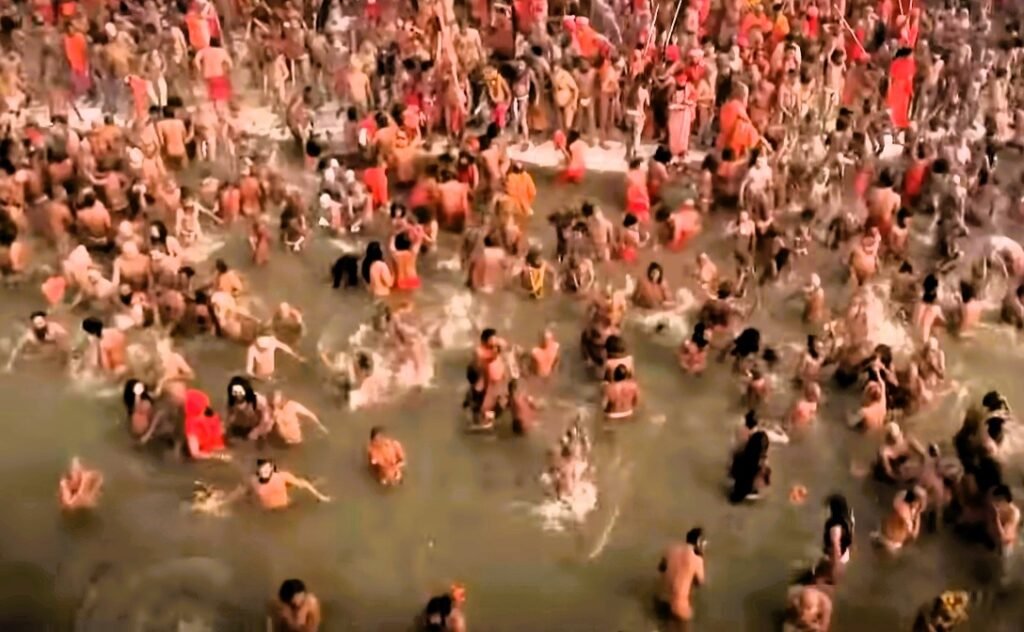
It is believed that taking a holy dip in the Shipra River during Simhastha washes away all of a person’s sins. This purifies the soul and grants liberation (Moksha) from the cycle of birth and death.
Why is it called Simhastha?
Connection with Jupiter (Guru) and Leo (Simha Rashi)
This fair is named ‘Simhastha’ because it is entirely governed by astrology. The ‘Kumbh’ alignment occurs in Ujjain when Jupiter enters the Leo zodiac sign (Simha Rashi), and the Sun is in Aries (Mesh Rashi).
Astrological Significance of Simhastha
In Sanskrit, Leo is called ‘Simha’. It is precisely because of this specific planetary alignment that this fair is known as ‘Simhastha Kumbh’. This astrological event takes place once every 12 years.
Simhastha Kumbh Mela Dates and Frequency
How Often is Simhastha Held?
The Simhastha Kumbh Mela in Ujjain is organised once every 12 years. This fair generally lasts for a month, starting from the full moon day of the Chaitra month and continuing until the full moon day of the Vaishakha month (during April–May).
Previous Simhastha Kumbh Mela
The last Simhastha Kumbh Mela in Ujjain was celebrated on a massive scale in 2016, with millions of people participating.
Next Simhastha Kumbh Mela in Ujjain
The next Simhastha Kumbh Mela will be held in Ujjain in 2028. Preparations and infrastructure development for the event have already begun.
Major Rituals and Events During Simhastha
Shahi Snan (Royal Bath)
The Shahi Snan (Royal Bath) is the biggest attraction of Simhastha. During this event, sadhus and Naga sadhus from various akharas are the first to bathe in the Shipra River. Only after they have bathed are members of the general public permitted to take a dip.
Peshwai Procession
Before the fair begins, a grand procession of Sadhus known as ‘Peshwai’ takes place. The Sadhus arrive riding on chariots, elephants, and horses; it is a truly magnificent sight.
Religious Discourses and Spiritual Gatherings
During the fair, large pandals (marquees) are set up across the entire fairgrounds, where saints and gurus deliver religious discourses and perform bhajans and kirtans.
Cultural Programs and Exhibitions
Here, artists from various states of India perform folk dance, music, and drumming, showcasing India’s rich culture.
Important Bathing Ghats in Ujjain
Ram Ghat
Ram Ghat is the oldest and most important ghat. It is located near the Mahakaleshwar Temple. The crowds here are the largest during the Shahi Snan. The evening aarti here is very famous.
Triveni Ghat
Triveni Ghat is the place where three rivers converge. Taking a dip here is considered highly auspicious; people especially come here for rituals to appease the Navagrahas (the nine celestial bodies).
Mangalnath Ghat
Located near the Mangalnath Temple, this ghat is very peaceful. According to astrological beliefs, this place is the birthplace of Mars (Mangal Grah)
Other Popular Ghats
Gau Ghat, Datt Akhara Ghat, and Siddhvat Ghat are also quite famous, where pilgrims can bathe without any difficulty.
Akharas Participating in Simhastha
What are Akharas?
Akharas are groups or organisations of sadhus and sannyasis. They were established by Adi Shankaracharya to protect Sanatan Dharma.
Major Akharas in Ujjain Simhastha
Thirteen main Akharas participate in the Kumbh, among which Juna Akhara, Niranjani Akhara, and Mahanirvani Akhara are the largest.
Naga Sadhus and Their Importance
Naga Sadhus are the biggest attraction of the Simhastha. They are ascetics who do not wear clothes and smear their bodies with bhasma (ash). They practice severe penance and appear before the general public only during the Kumbh.
Accommodation Options During Simhastha
Hotels and Guest Houses
A range of hotels, from budget to luxury, is available in Ujjain; however, during Simhastha, they get fully booked months in advance.
Dharamshalas
If you are travelling on a budget, there are many dharmashalas in Ujjain that offer affordable accommodation.
Tent Cities and Camps
Government and private operators set up large tent cities near the fairgrounds. A wide range of accommodations is available here, from basic options to luxury Swiss tents.
Travel Tips for Simhastha Visitors
Best Time to Visit
The fair lasts for a month, but the crowds are heaviest on the days of the Shahi Snan (Royal Bath). If you want to avoid the crowds, visit on days other than the Shahi Snan
Safety Guidelines
- Always stay with your group.
- Make sure to keep a card with their name and phone number in the pockets of children and the elderly.
- Follow government safety rules and police instructions.
Essential Items to Carry
- Pack comfortable cotton clothing.
- Wear good-quality footwear, as there will be a lot of walking.
- Carry your essential medicines and a power bank.
Crowd Management Tips
Do not panic in the crowd. Always move with the crowd and keep an eye on emergency exit points.
Major Attractions to Visit in Ujjain During Simhastha
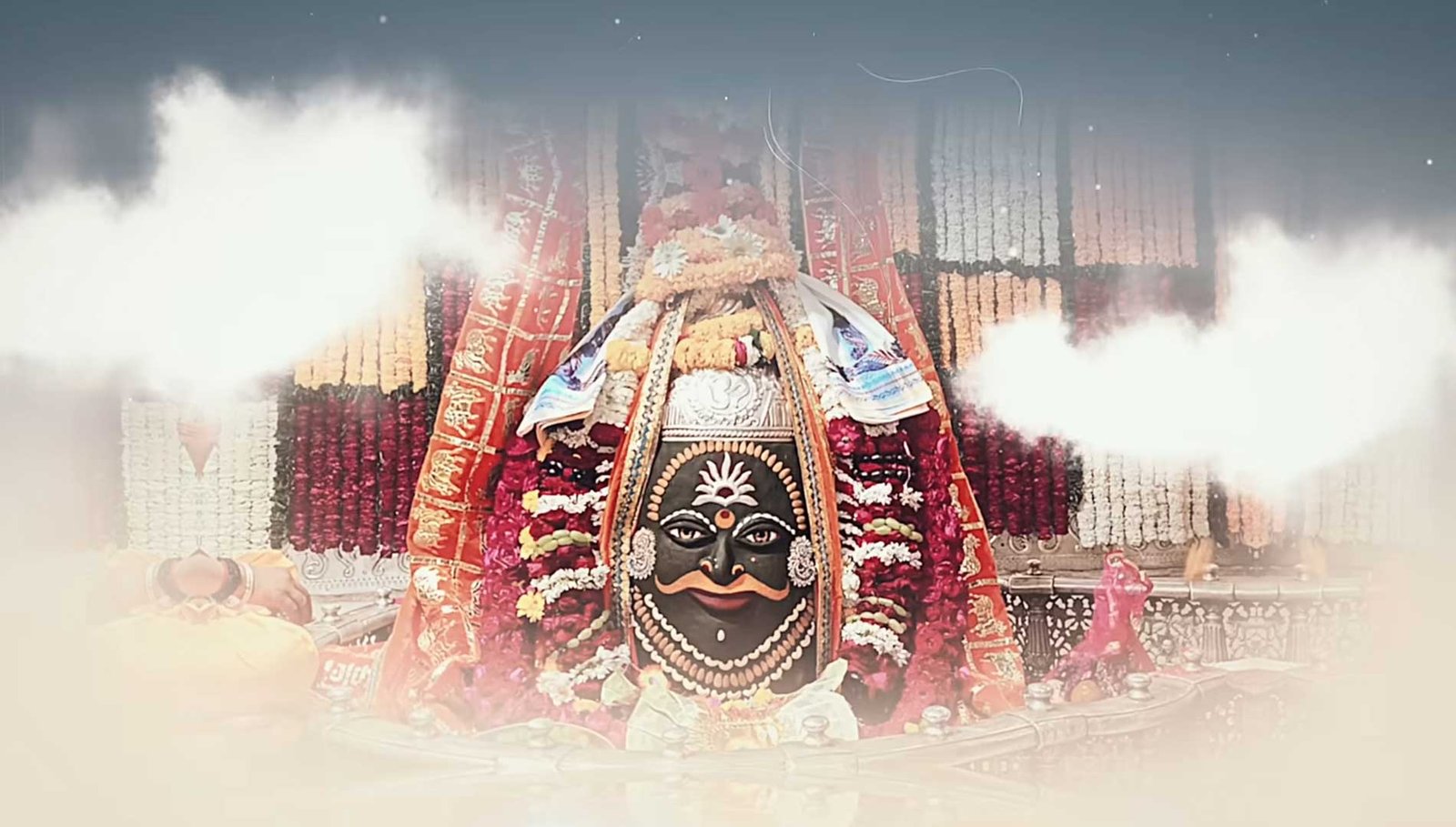
Mahakaleshwar Jyotirlinga
Visiting Mahakal Temple is a must when in Ujjain. The Bhasma Aarti performed here is famous worldwide.
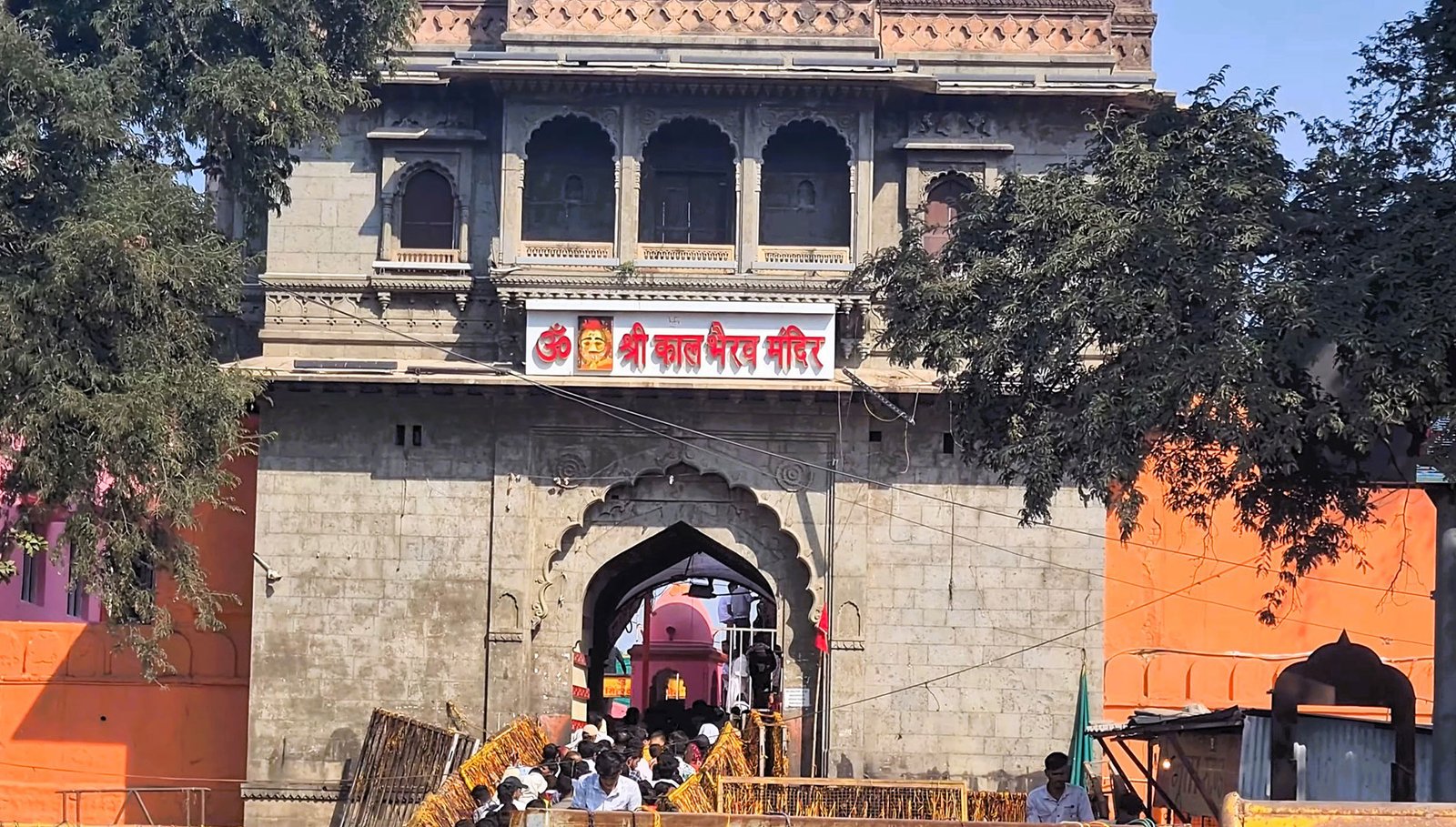
Kal Bhairav Temple
A unique feature of this temple is that liquor is offered to Lord Kal Bhairav as prasad.
Harsiddhi Temple
Harsiddhi Temple is one of the 51 Shaktipeeths. The sight is truly spectacular in the evening when the two large lamp towers (deep stambhs) here are lit.
Mangalnath Temple
This temple is considered the most sacred place in India for performing the Mangal Dosh Nivaran (remedy for Mars-related astrological afflictions) ritual.
Conclusion
The Ujjain Simhastha Kumbh Mela is not just a fair; it is a life-changing experience. The energy of the place, the discourses by sadhus, and the holy waters of the Shipra River transport you to a completely different world. If you too wish to be a part of this spiritual journey, start planning your trip for the 2028 Ujjain Simhastha right away! Making it a great time to start looking at Madhya Pradesh Tour Packages that bundle Simhastha with other major pilgrimage sites across the state.
Frequently Asked Questions
What is the significance of Simhastha Kumbh Mela?
Bathing in the Shipra River during Simhastha Kumbh purifies the soul and leads to Moksha (spiritual liberation).
When is the next Simhastha Kumbh Mela in Ujjain?
The next Simhastha Kumbh Mela in Ujjain will be held in the year 2028.
How many people attend Simhastha in 2028?
According to the Madhya Pradesh government, 12 to 14 cr pilgrims and sadhus will attend Simhastha 2028.
Is there any entry fee for Simhastha?
No, there is no entry fee to visit the Simhastha Mela or to take the holy dip. It is completely free for everyone.
Which is the most important bathing day?
The days of Shahi Snan (Royal Bathing) are the most significant; these usually take place on Poornima (full moon day) and Amavasya (new moon day).
Fill the form below & Get Call back From Ujjain travel expert
Related Posts
Fill the form below & Get Call back From Ujjain travel expert
Most Popular Ujjain Tour Package
Ujjain Itinerary for 2 Days
- 1 Night 2 Days
Form
INR 4200 Per Person INR 6972
Ujjain Itinerary for 2 Nights 3 Days
- 2 Night 3 Days
Form
INR 6747 Per Person INR 9747
Ujjain Itinerary for 3 Nights 4 Days
- 3 Night 4 Days
Form